Hello, everyone. My name is Daichi, an expert providing the information about the radiation issues in an easy-to-understand manner.
In this and the next few articles, I would like to report on the use of radiation and environmental remediation efforts that I observed during my travels in Europe.
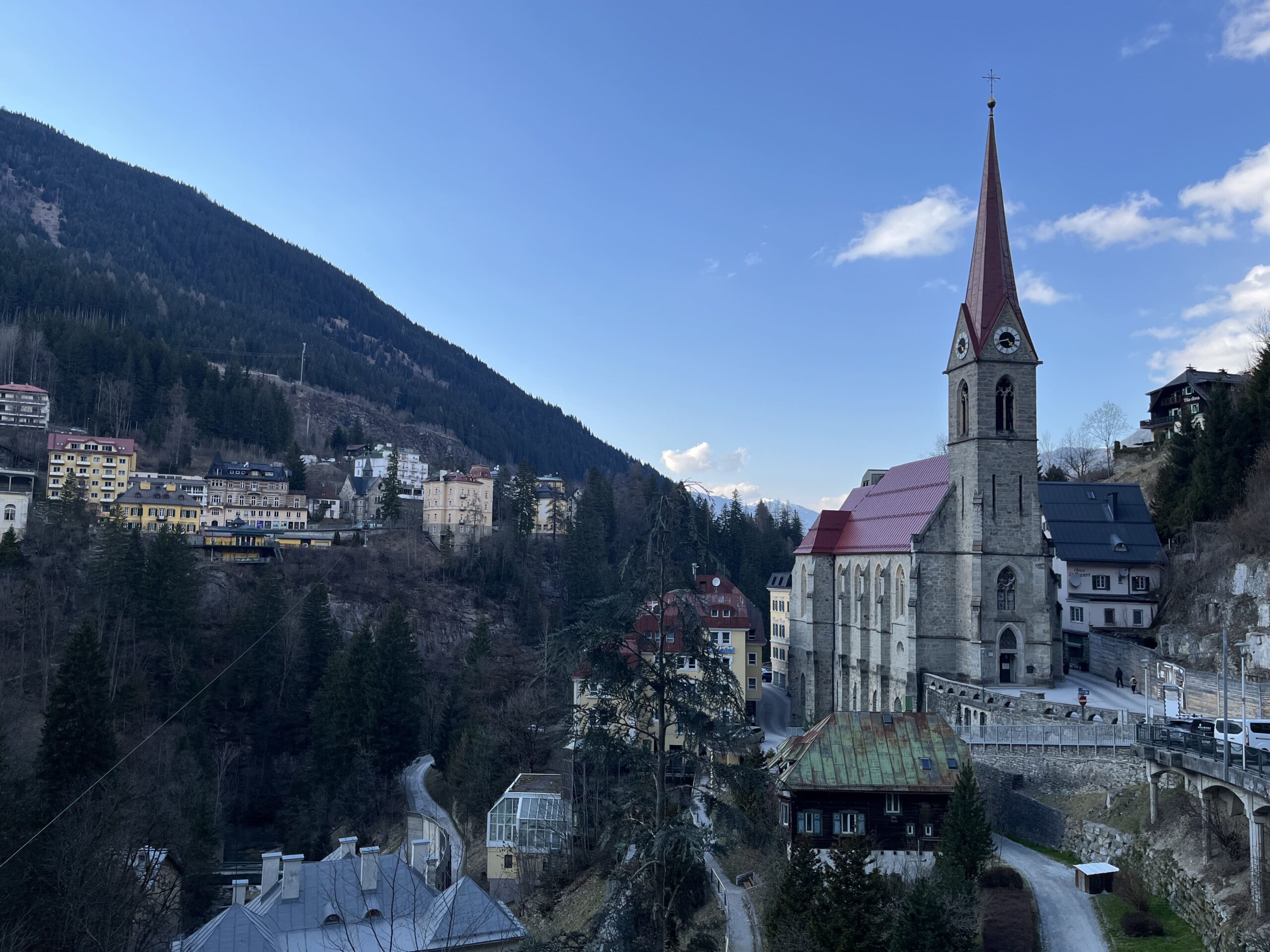
In this first article, I would like to introduce Bad Gastein, a town in central Austria that is well known as a historic spa resort.
In particular, I will report on my first-hand experience of visiting Gasteiner Heilstollen, where radon therapy is carried out in former mine tunnels.
In relation to this, I would also like to explain radon and the potential health effects of low-dose radiation exposure from radon.
In other words, this article will respond to the following questions:、
– What kind of town is Bad Gastein?
– In Bad Gastein, how is radiation used?
– How is low-dose radiation exposure considered to affect human health?
Table of contents of this article
- (Report on Radiation in Europe) Development of Mining and the Use of Radiation in Bad Gastein
- Introduction
- Itinerary and route
- Overview of Bad Gastein
- History and development
- Characteristics as a spa resort
- Relationship with radiation
- Town today
- Overview of Gasteiner Heilstollen
- History of the facility
- Overview of the facility
- How to use the facility
- Radiation protection measures
- Overview of potential health effects of low-dose radiation exposure from radon
- What is radon?
- Expected effects
- Current scientific knowledge
- Regulation and approaches in Europe
- Summary
I have been involved with the radiation-relevant issues, like the policy on the decontamination activities and the management of the Interim Storage Facility, after the accident of the Fukushima Daiichi Nuclear Power Plant in 2011.
I received a doctorate in the field of radiation, while working in Fukushima.
(Report on Radiation in Europe) Development of Mining and the Use of Radiation in Bad Gastein
First of all, I would like to provide some basic information about the trip, followed by the history of Bad Gastein, an overview of Gasteiner Heilstollen and my first-hand experience of the using the facility, and finally the potential health effects of low-dose radiation exposure from radon.
Introduction
This was my second visit to Bad Gastein, following my first visit in June 2021.
At that time, I knew nothing about the use of radiation in Bad Gastein and simply visited the town to see the famous spa resort on my way back from Großglockner, the highest mountain in Austria.
I later learned that Bad Gastein is a unique town in terms of the use of radiation, even from a global perspective, and decided to visit it again.
Itinerary and route
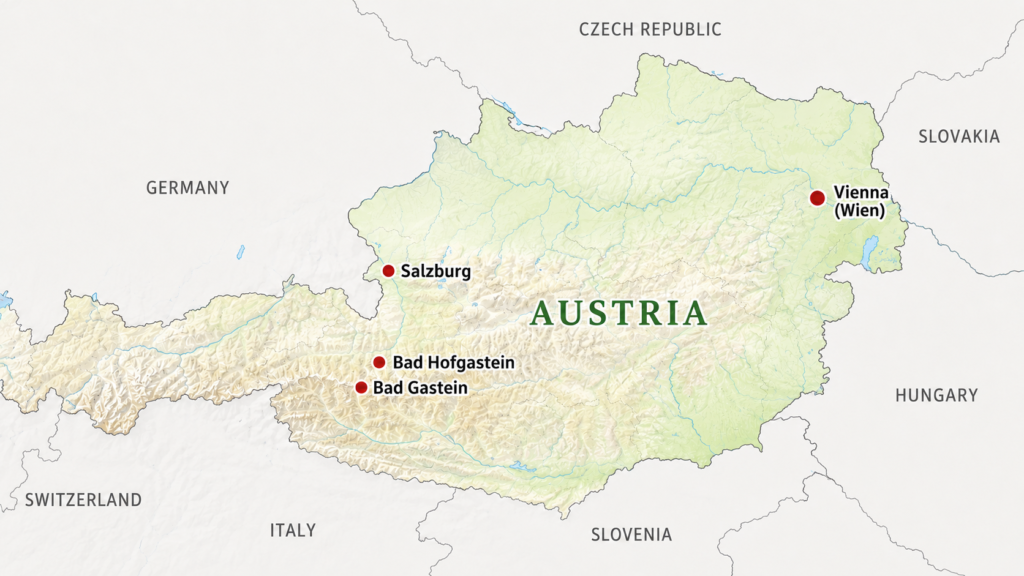
(Approximate locations of Vienna, Bad Hofgastein and Bad Gastein. For precise locations, please refer to a map.)
My itinerary and route for this trip were as follows:
Sunday, 22 March
– I departed from Vienna in the morning and changed trains at Salzburg Central Station. Normally, there are direct trains from Salzburg to Bad Gastein, but due to construction work, I had to get off the train partway through the journey and transfer to a replacement bus to Bad Gastein Station.
– After arriving in Bad Gastein, I left my luggage at the hotel and travelled to Bad Hofgastein by bus.
– I stayed at Alpentherme Gastein for a couple of hours.
– I went back to Bad Gastein and walked around the town.
– After dinner, I stayed at Felsentherme Bad Gastein for a couple of hours.
– I stayed in Bad Gastein overnight.
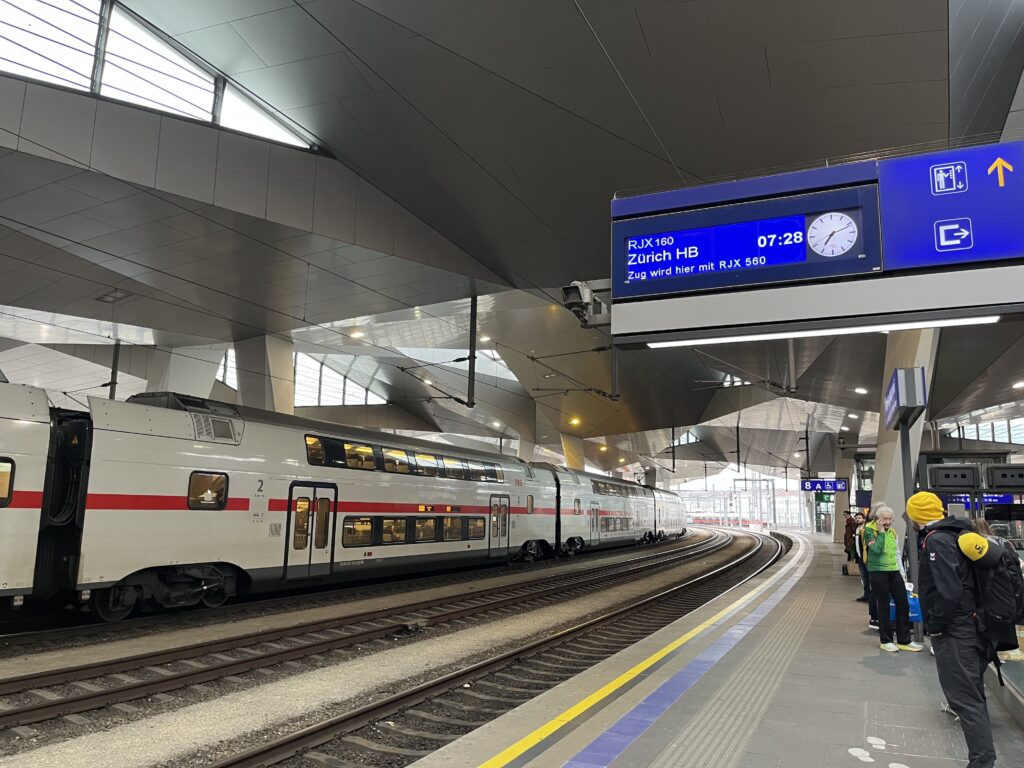
(Wien Hauptbahnhof)(Vienna Central Station)
Monday, 23 March
– In the morning, I took the cable car up to Stubnerkogel and and walked around near the summit.
– I went back to Bad Gastein and walked around the town again.
– In the afternoon, I relaxed at Felsentherme Bad Gastein.
– I stayed in Bad Gastein overnight.
Tuesday, 24 March
– After checking out, I took a bus to Gasteiner Heilstollen.
– After staying there for four or five hours, I returned to Bad Gastein and then continued on to Vienna.
Overview of Bad Gastein
In the following section, I will look at the history of Bad Gastein and its relationship with radiation.
History and development
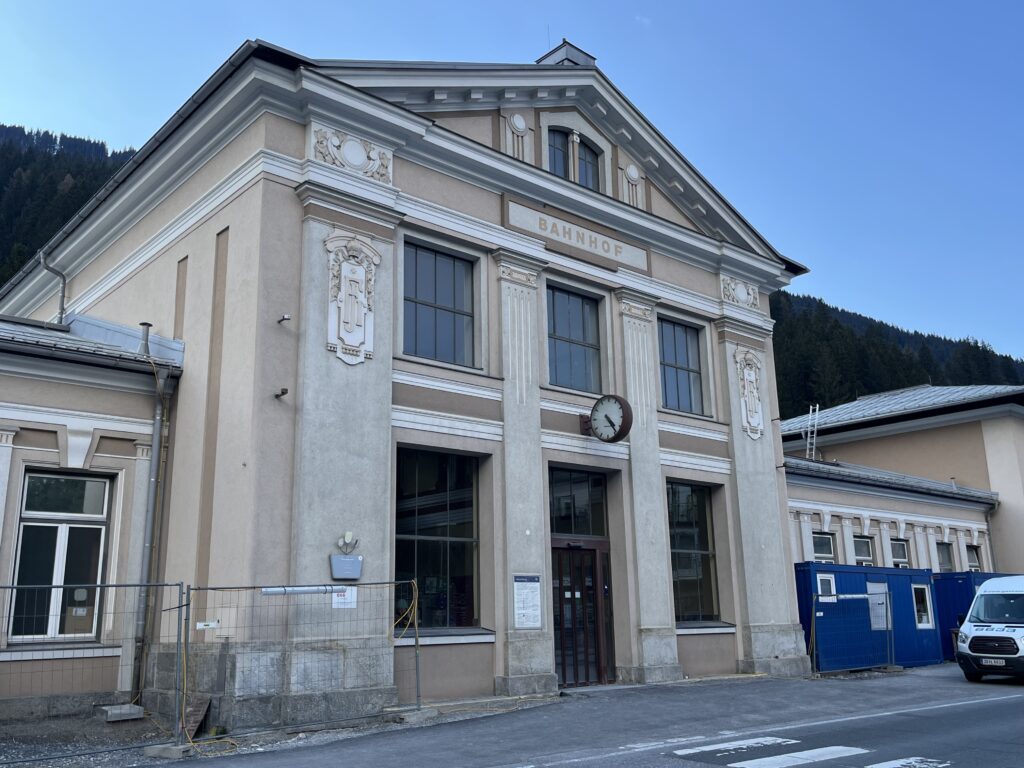
(Bahnhof Bad Gastein)
Bad Gastein is a spa resort located in the State of Salzburg, Austria.
It is located in the heart of the Gastein Valley (Gasteinertal), surrounded by the Alps, and has long been known as a spa town.
Gold and silver were mined in this region from the Middle Ages onwards, and the area prospered greatly as a result of mining.
After that, the benefits of the hot springs became widely known, and in the 19th century, the area developed into one of Europe’s leading spa resorts.
And the area is also well known for having been visited by many members of royalty and the aristocracy, as well as prominent figures, including Austrian Emperor Franz Joseph I and German Emperor Wilhelm I.
Although some buildings have fallen into ruin, many magnificent hotels and spa facilities built between the late 19th and early 20th centuries still remain in the town, providing a glimpse of its former prosperity.
Characteristics as a spa resort
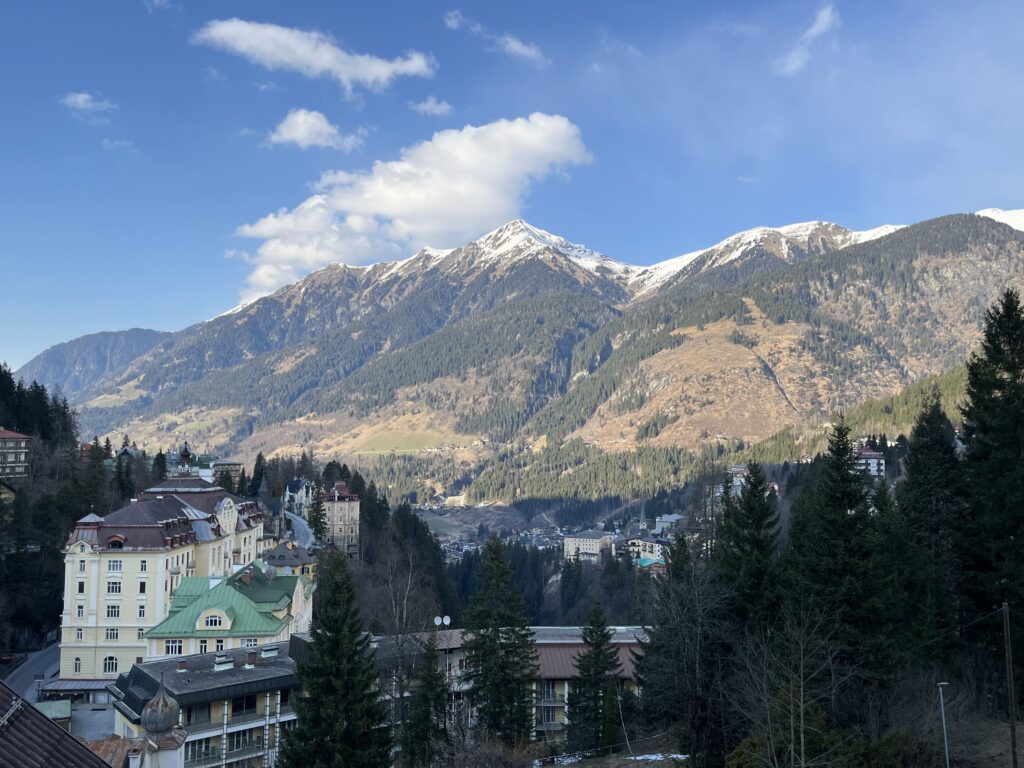
(Landscape of Bad Gastein)
The most distinctive feature of Bad Gastein is its unique landscape, shaped by its location in a steep-sided valley.
A large waterfall, the Gastein Waterfall (Gasteiner Wasserfall), flows through the centre of the town, with hotels and houses lining the slopes on both sides.
The region has abundant hot spring resources, and even today, many tourists visit for hot spring bathing and wellness.
In winter, the area is also popular as a ski resort, with convenient access to the Stubnerkogelbahn cable car, located very close to the station.
As a result, the area attracts tourists throughout the year.
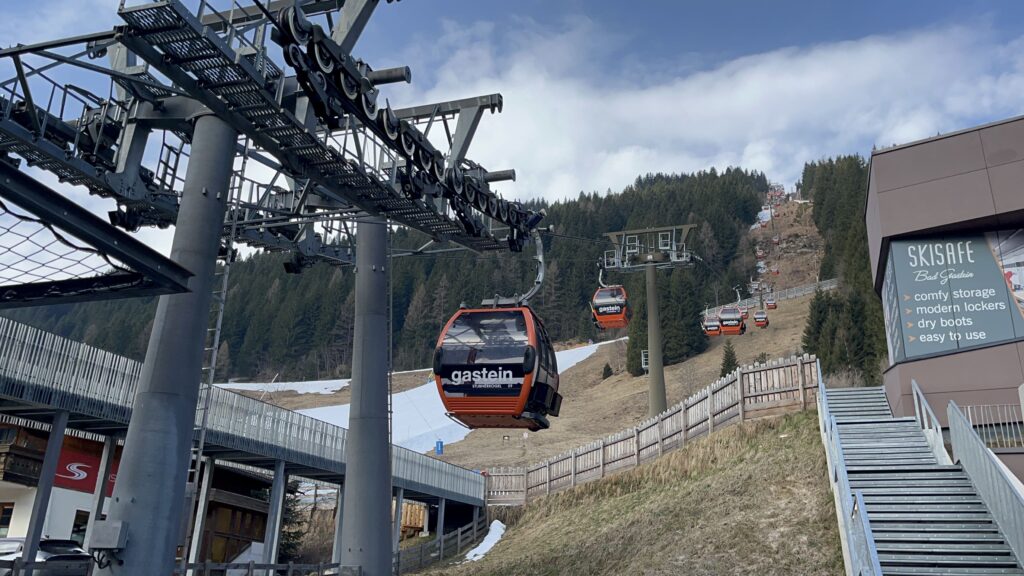
(Stubnerkogelbahn)
In addition, as I will explain below, unlike typical spa resorts, one of the distinctive features of Bad Gastein is that it has not only hot springs but also a therapeutic facility that makes use of radon originating from former mine tunnels.
Relationship with radiation
Today, Bad Gastein is also well known as a spa resort for radon therapy, but its history began not with the use of radiation, but with its long tradition of hot spring bathing.
In the centre of the town, there is a stone monument describing the legend of the discovery of the hot springs.
I may not have transcribed it entirely accurately, but the following words appear to be inscribed on the monument:
Aus der Bad Gasteiner Quellensage
„Lasst uns dies Waldwundtier, dass es am Wunderborn gesunde, erzählt, was ihr entdeckt und bringt vom Heilquell allen Kunde.“
As this is an old and poetic expression, it is not easy to interpret precisely, but it can be understood roughly as follows:
“Let us tell how a wounded animal from the forest was healed by the miraculous spring, and let people know what you have discovered and what the healing spring has brought.”
The relief depicts several people and an animal and appears to represent the legend of the discovery of the hot spring and its healing effects.
The fact that this legend has been passed down to the present day suggests that the hot springs have long been regarded as something special by the local community.
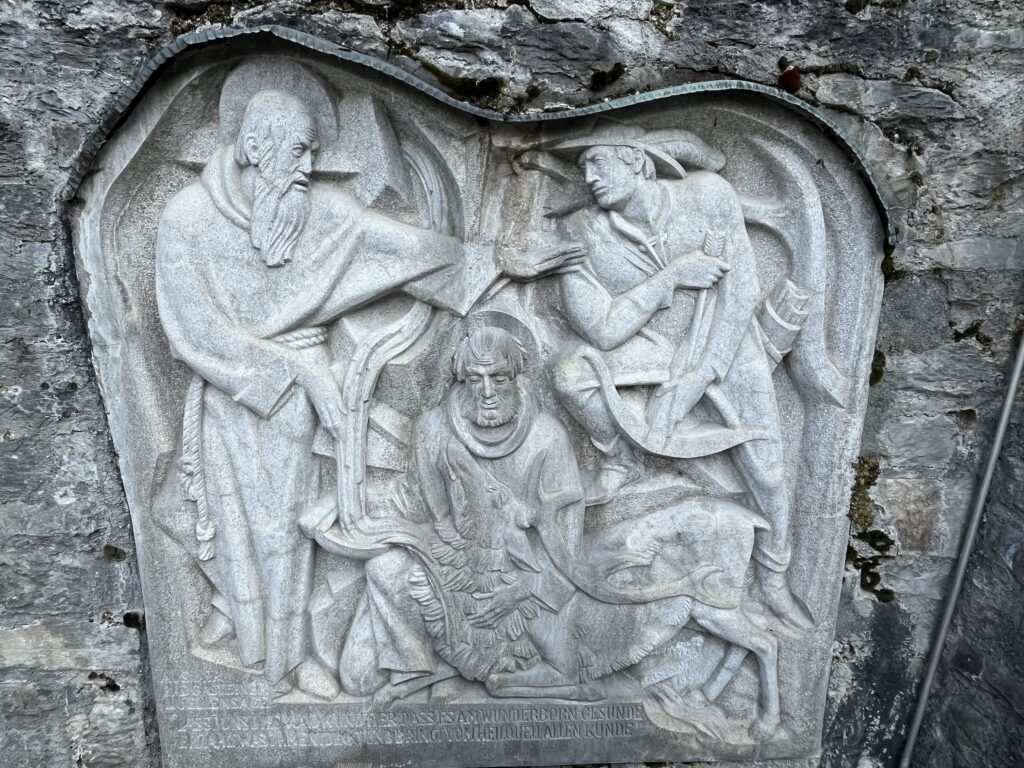
(Stone monument describing the legend that a wounded animal from the forest was healed)
In fact, hot springs have been used in Bad Gastein for centuries, and in the 19th century, the town developed into one of Europe’s leading spa resorts.
According to the information board at the Thermalquellpark (Hot Spring Source Park), 23 thermal springs have been identified in Bad Gastein, 13 of which are currently in use, with a total flow of approximately 5 million litres per day.
The Elisabethquelle is still preserved in the centre of the town.
It is one of the main thermal springs, with a temperature of approximately 46°C and a flow of around 2,500 m³ per day, and plays an important role in supporting Bad Gastein’s present-day spa culture.
The information board also shows the radon concentration of each thermal spring, indicating that radon is regarded as one of the important characteristics of the hot springs in Bad Gastein.
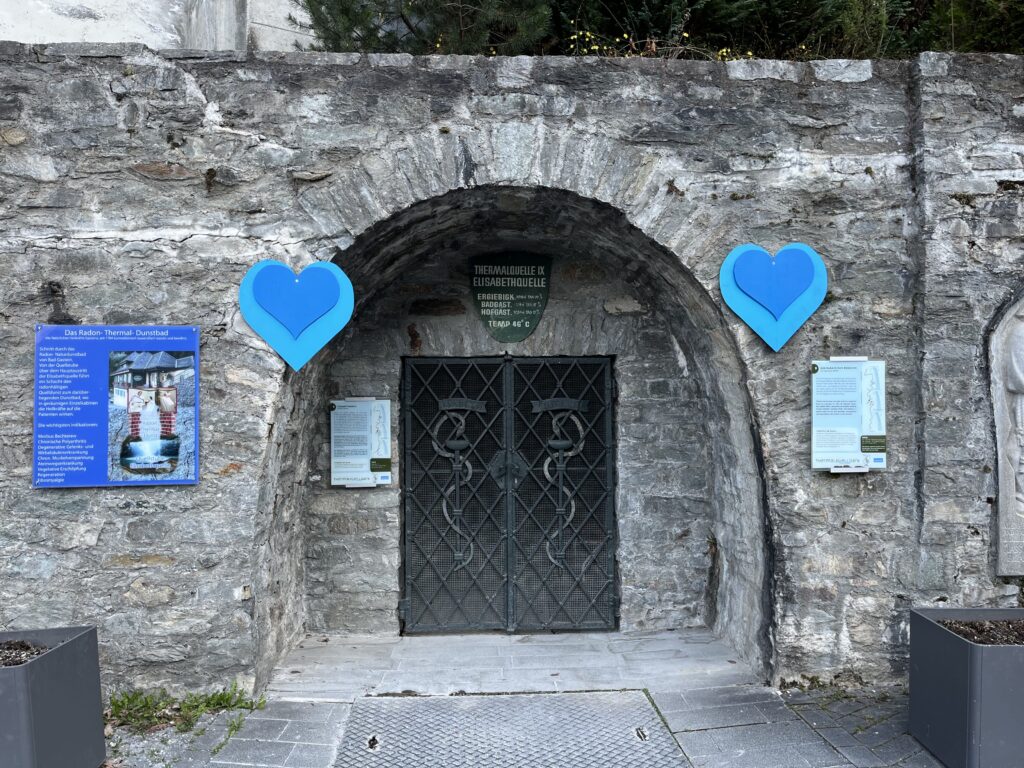
(Elisabethquelle)
Radon, a naturally occurring radioactive gas, was discovered in 1900. In the early 20th century, it was subsequently found that radon was present in the thermal water and steam in Gastein, as well as in the air inside the mine tunnels.
Before that, people thought that the effects of the hot springs were mainly attributable to their heat and mineral content, but after the discovery of radiation, radon also began to attract attention as one of the characteristics of the hot springs.
As described above, the use of radiation in Bad Gastein developed on the foundation of this long-established spa culture.
One of the representative examples is Radon-Thermal-Dunstbad (radon thermal steam bath), located near the Elisabethquelle.
According to the official website, therapy using radon-containing thermal steam from the Elisabethquelle has been provided at this facility since 1825.
Even today, the thermal steam is channelled into the treatment rooms through a shaft system.
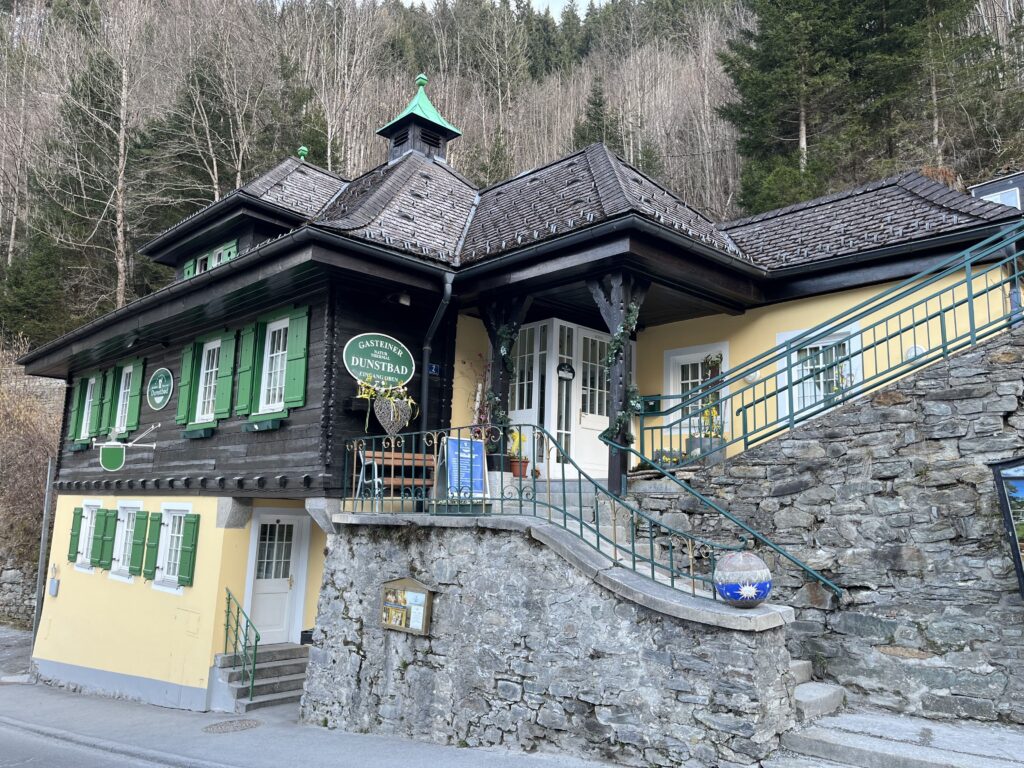
(Radon-Thermal-Dunstbad)
In addition, Felsentherme Bad Gastein is located directly in front of the station (“Felsen” means “rock” in German).
Felsentherme Bad Gastein is a large spa and wellness facility that is open to the general public, with several thermal pools, saunas and relaxation areas.
While Gasteiner Heilstollen, which I will explain later, and Radon-Thermal-Dunstbad, which I mentioned earlier, have a stronger focus on therapeutic treatment, Felsentherme Bad Gastein offers spa and wellness experiences to a wider range of visitors, with large thermal pools, saunas and other facilities.
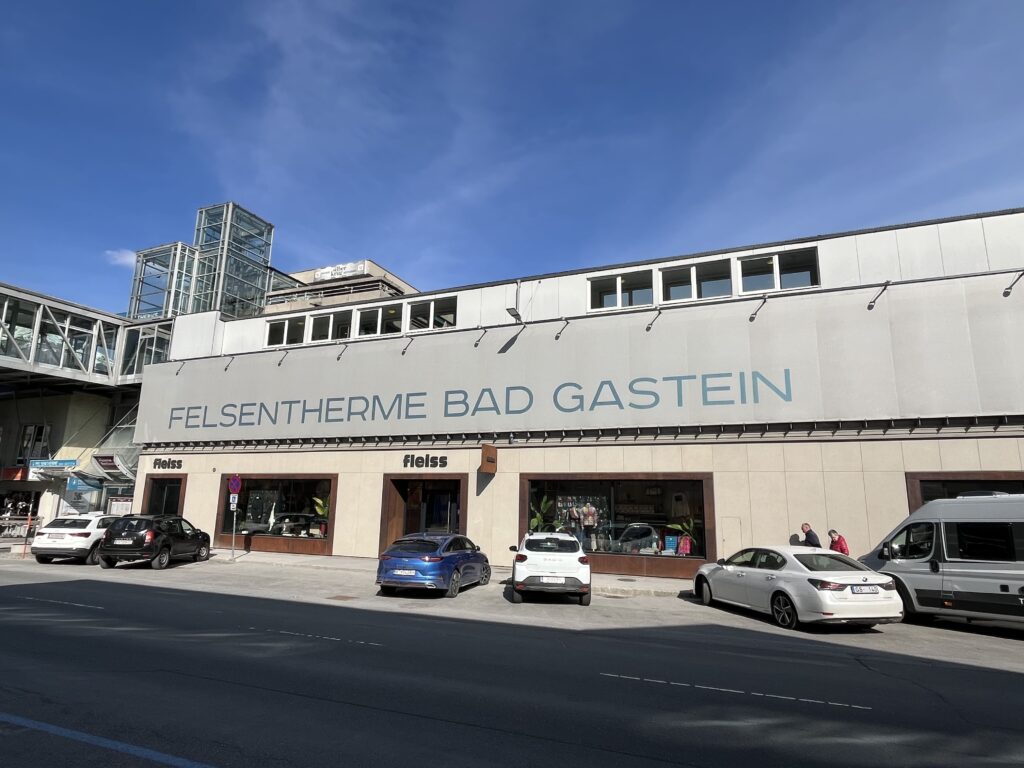
(Felsentherme Bad Gastein)
I also visited a similar spa facility, Alpentherme Gastein, in the neighbouring town of Bad Hofgastein, approximately 7km from Bad Gastein.
Although both facilities mention radon on their websites, inside the facilities, the emphasis was on enjoying the thermal baths rather than on therapy or medical treatment.
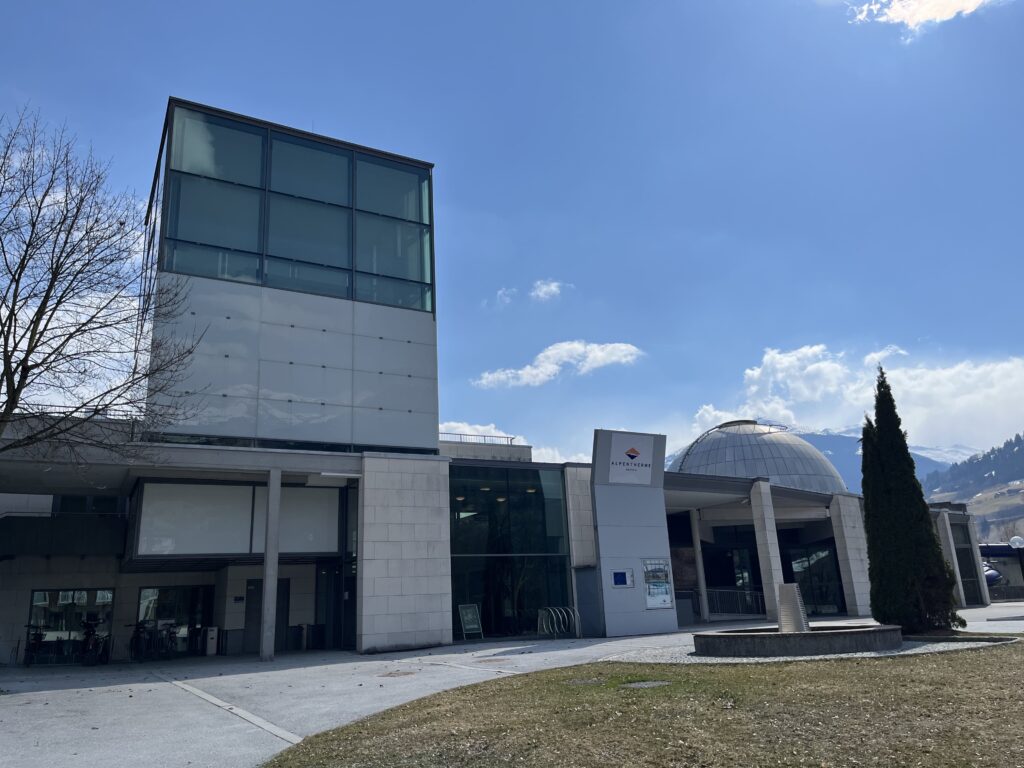
(Alpentherme Gastein)
Interestingly, while walking around the town, I did not get the impression that the use of radiation was treated as something special or kept separate from everyday life.
Thermal springs, parks, steam bath facilities and spa facilities naturally coexist, and the use of radon is seen as a natural extension of this spa culture.
And the facility that can be seen as the culmination of this spa culture is Gasteiner Heilstollen, located approximately 10 km from the town.
After World War II, attention was drawn to the possibility of using the unique environment inside the mine tunnels for therapeutic purposes, and the site was opened as a therapeutic facility in 1952.
Today, it is well known around the world as a radon therapy facility, and I will explain it in more detail later.
Town today
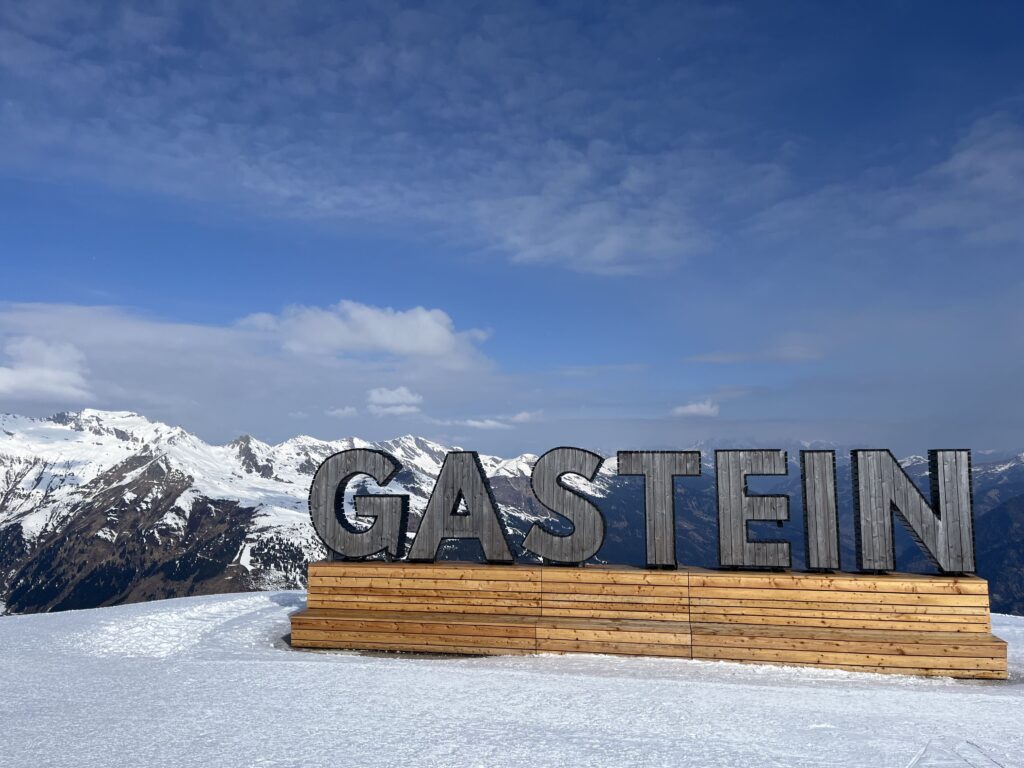
(View near the summit after taking the Stubnerkogelbahn)
When I visited the town, I saw many tourists and people who had come for therapy.
In particular, I saw not only elderly visitors but also relatively young people and families, which gave me the impression that the town attracts a wide range of visitors as both a ski resort and a spa resort.
On the other hand, as I walked through the town, I also saw some large hotels that were no longer in use, reflecting the town’s former prosperity.
Bad Gastein developed into one of Europe’s leading spa resorts from the 19th to the early 20th century.
However, for a period after World War II, the town appears to have faced challenges such as a decline in the number of tourists and the closure of hotels, due to changes in travel styles, the growing popularity of international travel, and the decline of the culture of long-term stays for therapeutic purposes.
In recent years, however, efforts have been made to redevelop historic buildings, renovate hotels, and capture growing demand for tourism and wellness. In fact, I saw several buildings undergoing renovation in the town.
I could see efforts to revitalise the town as a tourist destination while maintaining its appeal as a traditional spa resort.
Overview of Gasteiner Heilstollen
In the following sections, I would like to explain the history and provide an overview of Gasteiner Heilstollen, which was the main destination of this trip, as well as share my first-hand experience of visiting the facility.
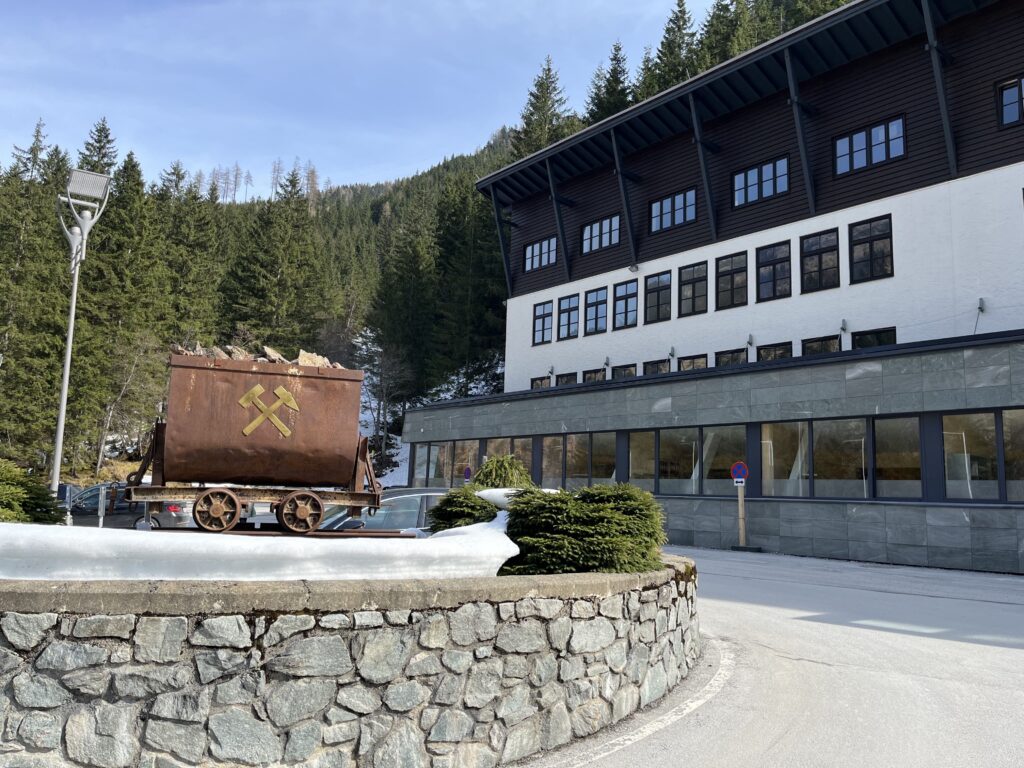
(Exterior of Gasteiner Heilstollen)
History of the facility
Gasteiner Heilstollen is a tunnel therapy facility located in the Böckstein district of Salzburg, Austria, approximately 10 km from the centre of Bad Gastein.
This tunnel was originally excavated for the development of a gold mine.
Gold and silver had been mined in the Gastein region since the Middle Ages.
The Paselstollen, which formed the basis of the present-day Gasteiner Heilstollen, was excavated between 1940 and 1944, but the expected mineral deposits were not found.
On the other hand, the tunnel had a unique environment with high temperatures and high humidity, and some of the miners involved in the excavation work began to report relief from joint pain and rheumatic symptoms.
Afterwards, medical investigations were conducted, and in the early 1950s, it was confirmed that the vapour inside the tunnel contained a high concentration of radon.
This led to further research and therapeutic use, and in 1952, Gasteiner Heilstollen began full-scale operation as a therapeutic facility.
Today, the facility attracts many people not only from Austria but also from Germany and other European countries for the treatment of conditions such as rheumatoid arthritis, ankylosing spondylitis, and chronic pain.
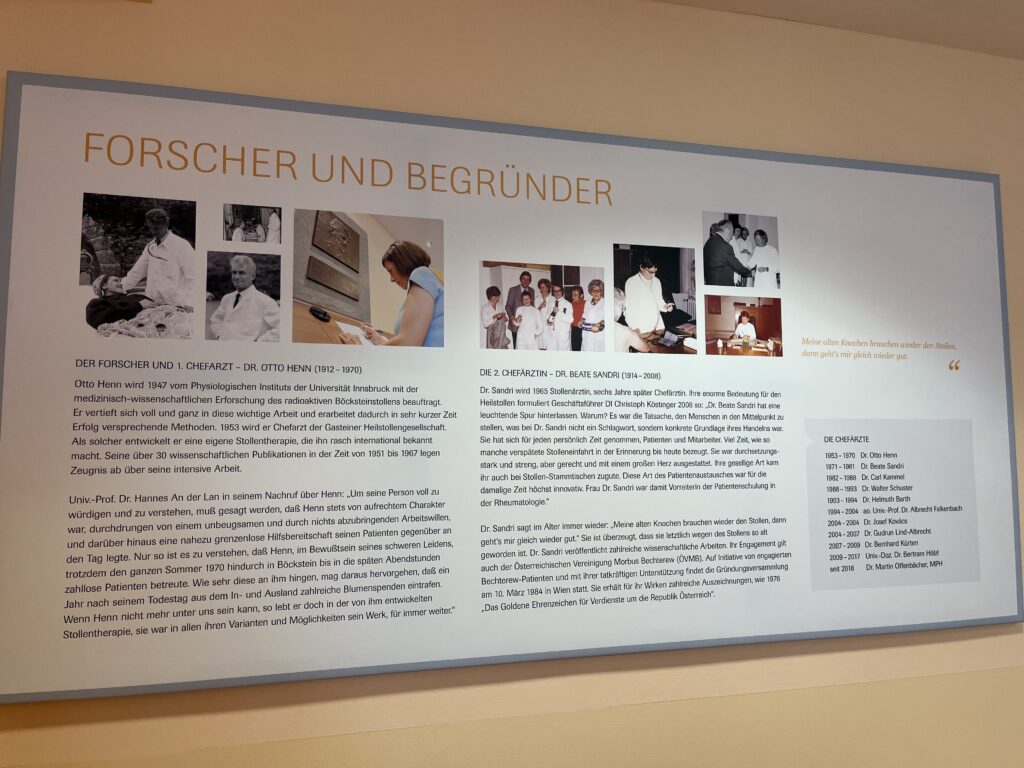
(Exhibition on the researchers and founders)
Overview of the facility
Gasteiner Heilstollen is a highly distinctive facility, even by international standards, offering therapy that combines a high-temperature, high-humidity environment with radon.
In Austria, it is classified not as a general hospital (Krankenhaus), but as an outpatient therapeutic facility (Kureinrichtung) using natural therapeutic resources (Heilvorkommen).
The Gastein Valley is a state-recognized health resort area (Kurort), and the Gasteiner Heilstollen is one of its principal facilities.
The facility comprises above-ground facilities, including a reception area, consultation rooms, waiting areas, and changing rooms, together with therapeutic areas located inside the tunnels.
For first-time visitors, a medical consultation is conducted to assess their health status and determine whether the treatment is appropriate for them.
Based on this assessment, an individualized therapeutic program is established.
However, as I did, members of the general public can also experience the facility by making a reservation in advance.
本療法はオーストリアの公的医療保険制度において一定の適応症に対する治療法として認められており、条件を満たした場合には保険給付の対象となります。
そのため、利用者の多くは医師の紹介や保険制度を利用して訪れており、観光施設というよりも医療・保養制度の一部として機能しています。
自然起源のラドンを利用する施設でありながら、公的医療保険制度の中に組み込まれた療養施設として運営されている点は、ガシュタイナー・ハイルシュトーレンの大きな特徴の一つといえます。
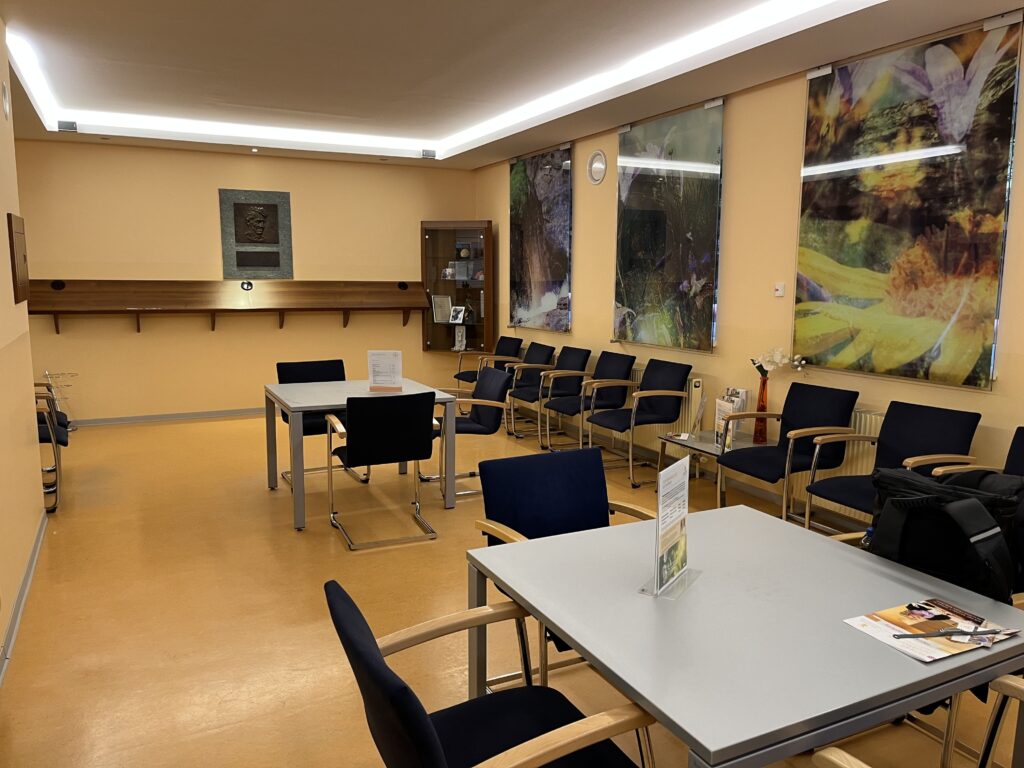
(待合室の様子)
How to use the facility
利用者は事前に医師の診察を受け、健康状態の確認を行います。
私は体験用の利用でしたので、インターネットによる事前の登録も必要でした。
まずガシュタイナー・ハイルシュトーレンのウェブサイトから、希望訪問日等を記入し、日程を調整しました。
療養当日は受付後、施設の紹介ビデオを見て、医師の問診を受けた後、水着と専用のバスローブに着替えた後、入坑前にもう一度参加向けのレクチャーを受けました(レクチャーについてはドイツ語でしたので、完璧には理解できませんでした)。
私は初心者向けのレクチャーを受けましたが、他にも20人ほどはいたと思いますが、一方で、かなり通い慣れた雰囲気の方も沢山いました。
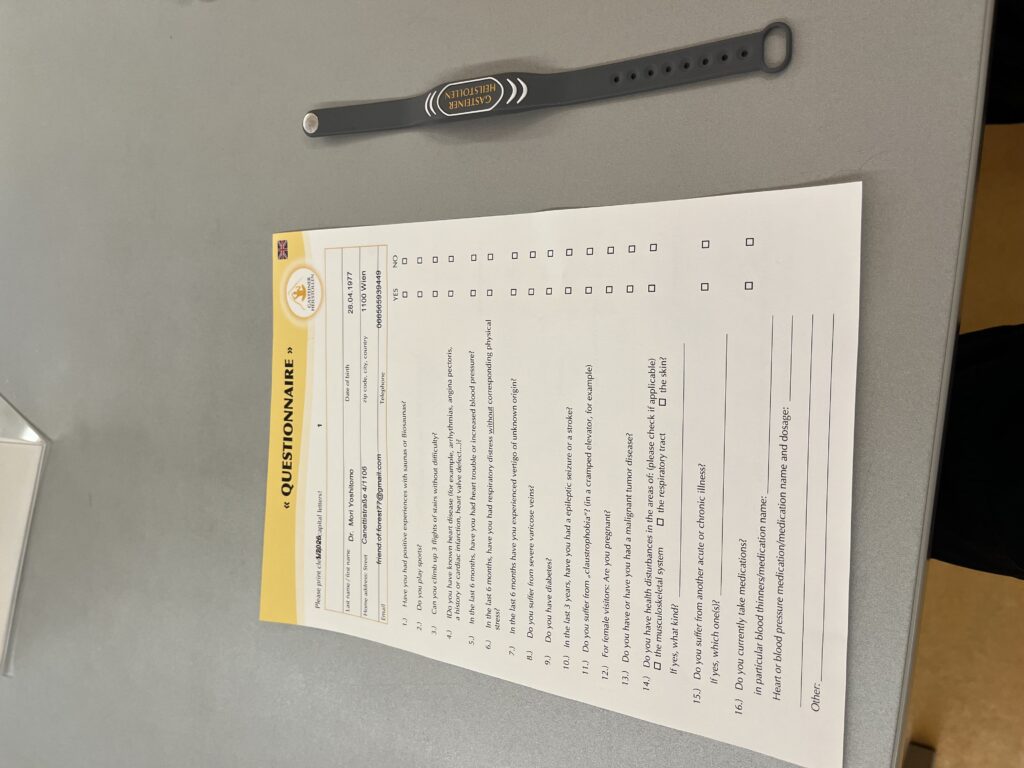
(問診票と、施設内で身につけるチップ入りのリストバンド)
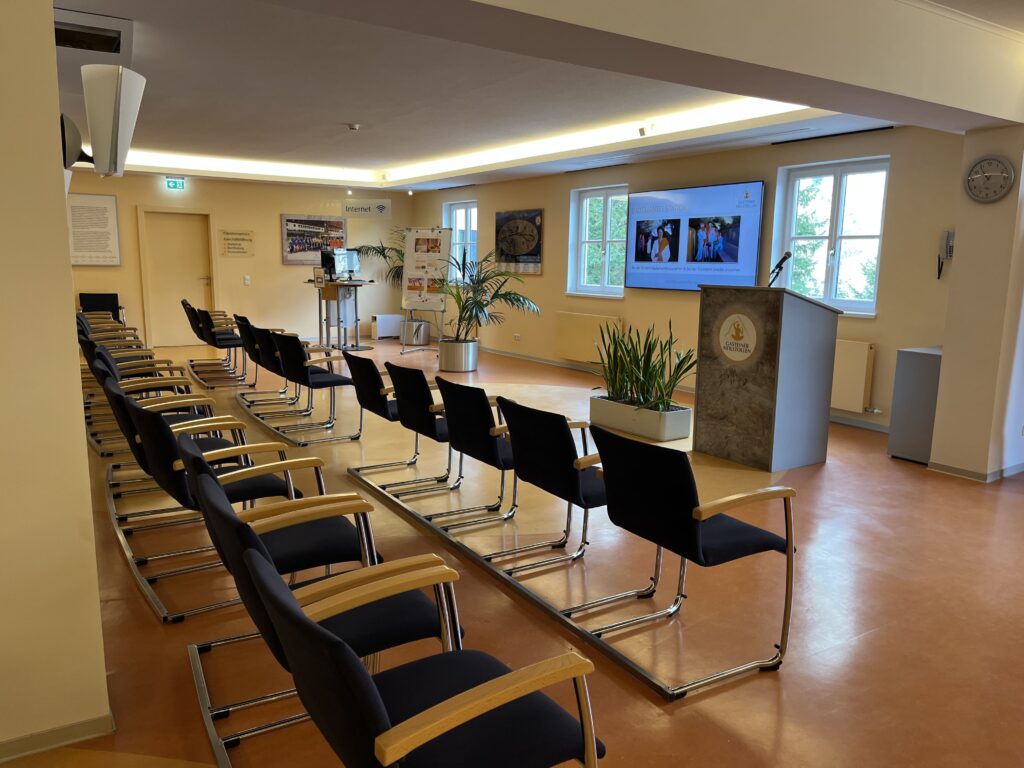
(利用者が入坑前にレクチャーを受ける部屋。私は別の部屋で初心者向けのレクチャーを受けました。)
その後専用列車に乗車し、約2.5km奥に位置する療養区域へ移動しました。
旧坑道で使用していた列車ですので、決して大きいものでもなく、快適とも言えません。
ゴー、ゴー、という旧坑道内に響く音を聞きながら、また徐々に高まっていく温度と湿度を感じながら、奥へ奥へと進んでいきます。
もちろん安全対策は十分にされていると思いますが、この坑道が崩落したらもう帰って来られないだろうな、という一抹の不安も感じていました。
坑道内には複数の療養ステーション(Liegestationen)が設けられており、利用者はベッドに横たわった状態で一定時間滞在します。
療養区域は温度や湿度の異なる複数の区画に分かれており、利用者の状態や治療計画に応じて利用場所が選択されるようですが、私は一番温度や湿度が低いStation Iで下車し、そこに設置されたベッドで1時間ほど横になりました。
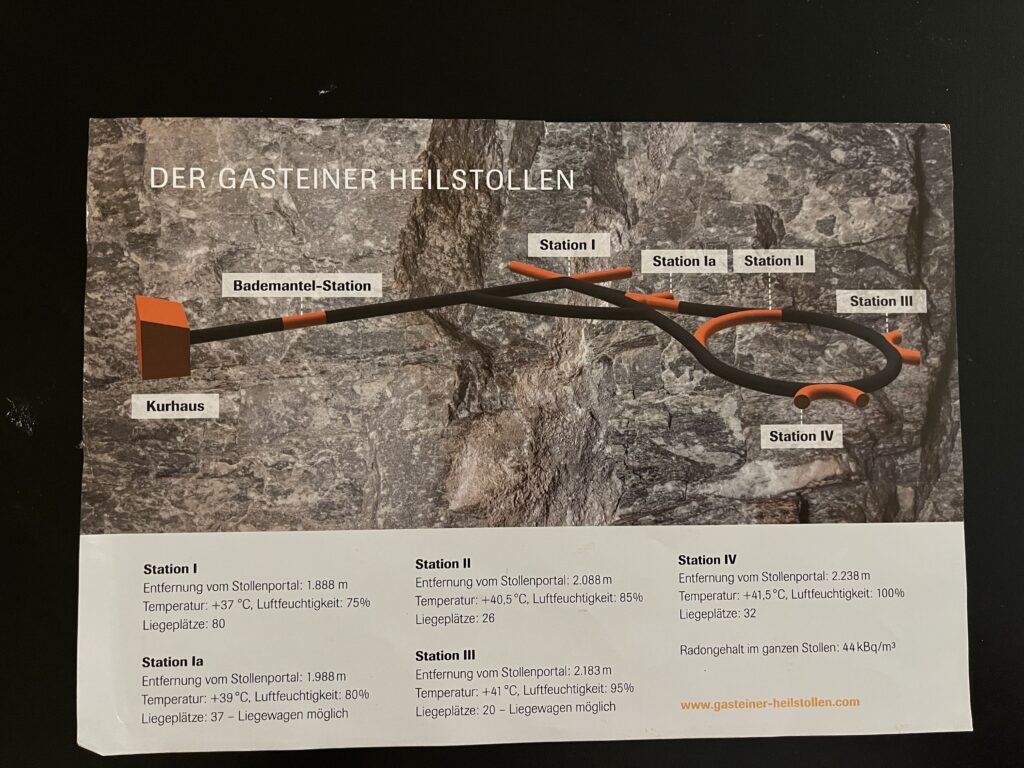
(専用列車の停車駅(施設のパンフレットより)。Station IからStation IVまで、5つの停車駅があって、奥に行くほど、温度も湿度も高くなる傾向にあります。)
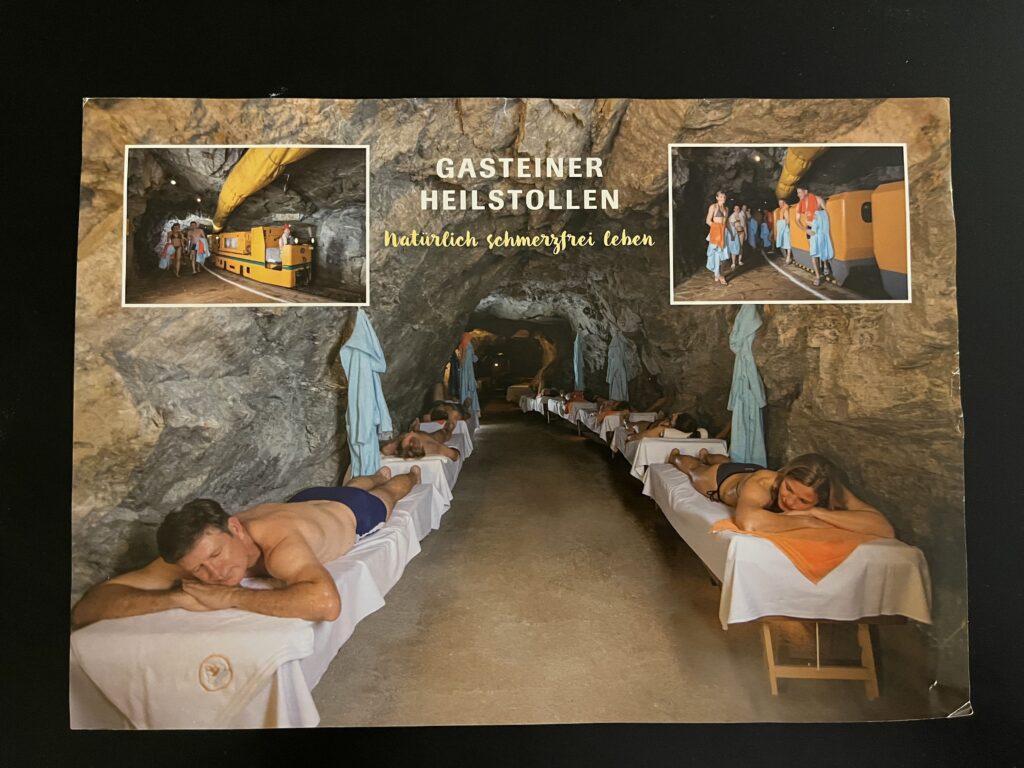
(坑道内での利用者の様子(施設のパンフレットより)。実際には坑道内はほぼ真っ暗で、高温多湿の環境の中、私も1時間ほど横になりました。)
ちなみに、坑内環境の主な特徴は次のとおりです。
温度:約37~41℃
湿度:約70~100%
ラドン濃度:約40,000~160,000 Bq/m³
これらの環境条件は坑道内で自然に形成されたものであり、人工的に加温した施設ではありません。
利用後は休憩施設で一定時間安静に過ごすことが推奨されており、私もしばらく休憩してから施設を後にしました。
このように、施設全体として医療的管理と保養的要素を兼ね備えた構成となっています。
ちなみに、私は1回のみの体験を目的とした利用でしたが、一般的な療養プログラムでは数回から十数回程度の入坑が推奨されており、複数回の利用によって効果の持続が期待されるとされています。
Radiation protection measures
ガシュタイナー・ハイルシュトーレンでは、自然由来のラドンを利用した療養が行われていることから、医療施設として必要な安全管理が実施されています。
利用者については、事前に医師による診察が行われ、症状や既往歴等を踏まえて療養への適応が判断されます。
また、治療回数や利用間隔についても医師の指示の下で管理されています。
これらは主として治療効果と安全性の確保を目的としたものと考えられますが、結果としてラドン被ばく量の管理にもつながっていると考えられます。
また、妊娠中の者や一部の疾患を有する者については利用が制限されています。
私が施設を利用した際には、個人線量計が配布されることはありませんでした。
そのため、利用者ごとの被ばく線量がどのように評価・管理されているかについては確認できませんでしたが、少なくとも利用回数や滞在時間については施設側による管理が行われているようでした。
なお、私が事前診察を担当した医師に被ばく線量について質問したところ、「レントゲン検査を受ける程度の線量である」との説明を受けました。
詳細な線量評価方法については確認できませんでしたが、少なくとも施設側は被ばくによるリスクが限定的であるとの認識の下で療養を実施していることがうかがえました。
一方、職員については職業被ばく管理が行われており、坑内での作業時間管理や個人被ばく評価が実施されています。
利用者と比較して長時間にわたり坑内環境に滞在する可能性があることから、職員に対する放射線防護は特に重要であると考えられます。
ラドンは療養環境を構成する自然要因の一つとして受け入れられている一方で、医師による適応判断や利用管理、職員の被ばく管理などの体制は整備されており、放射線利用と放射線防護の両立が図られていることがうかがえました。
Overview of potential health effects of low-dose radiation exposure from radon
ここで、科学的視点から見た、特にラドンによる低線量被ばくが健康影響について解説してみたいと思います。
What is radon?
ラドン(Radon)は、ウラン系列に属する放射性希ガスであり、天然に存在する放射性物質の一つです。
無色・無臭の気体で、地中や岩石中に含まれるラジウムの壊変によって生成されます。
ラドンは1900年にドイツの物理学者フリードリヒ・エルンスト・ドルン(Friedrich Ernst Dorn)によって発見されました。
ドルンはラジウムから放出される未知の放射性気体を観測し、当初は「ラジウム・エマネーション(Radium Emanation)」と呼ばれていました。
その後、この気体が独立した元素であることが明らかとなり、現在の「ラドン(Radon)」という名称が定着しました。
ラドンそのものは化学的に不活性ですが、壊変の過程で生じる放射性微粒子(ラドン娘核種)が呼吸によって体内に取り込まれることで、肺に放射線を与えることが知られています。
このため、ラドンは世界的に自然放射線による被ばくの主要な要因の一つとされています(詳細についてはこちらの記事もご覧ください。)。
Expected effects
ラドン療法による効果としては、炎症反応の抑制や免疫系への作用などが報告されています。
ガシュタイナー・ハイルシュトーレンによれば、関節リウマチ、強直性脊椎炎、慢性疼痛、変形性関節症などの症状緩和が期待されており、多くの利用者が疼痛の軽減や生活の質の向上を目的として訪れています。
また、高温多湿環境による血行促進や筋緊張の緩和も療養効果に寄与していると考えられています。
ただし、利用者が感じる効果には個人差があり、ラドンそのものの作用と温熱効果などを完全に分離して評価することは容易ではありません。
Current scientific knowledge
ラドン療法による効果については先ほど説明したとおりですが、その有効性や作用機序についても長年研究が行われています。
ただし、放射線防護の分野では、低線量放射線によるリスクは被ばく線量に比例して増加すると仮定する「しきい値なし直線モデル(LNTモデル)」が国際的な防護体系の基礎となっています。
また、ラドンは高濃度環境への長期間曝露によって肺がんリスクを増加させることが知られており、WHOやICRPは住宅や職場におけるラドン濃度の低減を推奨しています。
このため、ラドン療法については期待される効果と潜在的なリスクの双方を考慮しながら評価する必要があります。
Regulation and approaches in Europe
ラドンは肺がんリスクとの関連が知られており、欧州連合(EU)の基本安全基準(Basic Safety Standards:BSS)指令においても、住宅や職場におけるラドン濃度の低減が求められています。
実際、欧州各国ではラドン対策が放射線防護上の重要な課題の一つとして位置付けられています。
一方で、オーストリア、ドイツ、チェコなど一部の中欧諸国では、ラドンを利用した療養施設が医療・保養制度の中に組み込まれていて、先ほども説明したように、公的医療保険の対象となることもあります。
ガシュタイナー・ハイルシュトーレンもその一例であり、医師による適応判断の下で運営される療養施設として位置付けられています。
少なくとも中欧地域では長年の利用実績と臨床経験を背景として一定の社会的受容が形成されており、ガシュタイナー・ハイルシュトーレンは放射線利用と放射線防護の両立を考える上で興味深い事例と言えると思います。
Summary
実際に現地を訪れて感じたのは、バート・ガシュタインにおける放射線利用は単独の施設から始まったものではなく、数百年にわたる温泉文化の上に、20世紀以降の放射線利用が積み重なった結果であるということです。
町の中に点在する温泉源、スパ、ラドンを利用した療養施設などは、その歴史的な連続性を現在に伝えています。
町の中では「ラドン」や「放射線」を強く強調するような雰囲気はあまり感じられず、ラドンよりは温泉、ウェルネス、サウナ、リラクゼーションといった要素が前面に出されており、放射線利用は地域の温泉文化の一部として位置付けられているように感じられました。
ガシュタイナー・ハイルシュトーレンではラドンを利用した療養が行われていますが、施設内に過度な緊張感はなく、利用者もごく自然に療養を受けていました。
もちろん、ラドン療法の有効性や低線量放射線の健康影響については現在も研究が続いています。
LNTモデルも考慮すると、低線量の放射線が健康に良い影響を及ぼす可能性があるとしても、その効果はわずかなのかもしれません。
しかし今回の訪問を通じて感じたのは、放射線を無条件に受け入れることでも無条件に避けることでもなく、その利益とリスクを適切に評価した上で利用することの重要性と、温泉・保養文化を通じ、長い年月をかけて培ってきた、放射線が社会に受け入れられていくプロセスです。
日本にもラドンやラジウムを含む温泉が数多く存在しており、自然放射線を含む温泉を利用する文化は古くから存在しています。
そう考えると、放射線を日常生活の中で受け入れる素地そのものは、日本にも十分にあると思いますし、日本で環境中に存在する放射線について議論するときにも、こうした海外の事例を知ることには大きな意味があると感じました。
バート・ガシュタインの事例は、日本にそのまま適用できるものではありませんが、放射線と社会との関係は、科学だけで決まるものではなく、歴史や文化、地域社会の価値観とも深く関係していることを改めて実感しました。
You can read the same article in Japanese here.
Thank you very much for reading this article.
See you next time!
コメント